


-

Add: HeBei ShengShi HongBang Cellulose Technology CO.,LTD.
-

Email
13180486930@163.com -

CONTACT US
+86 13180486930





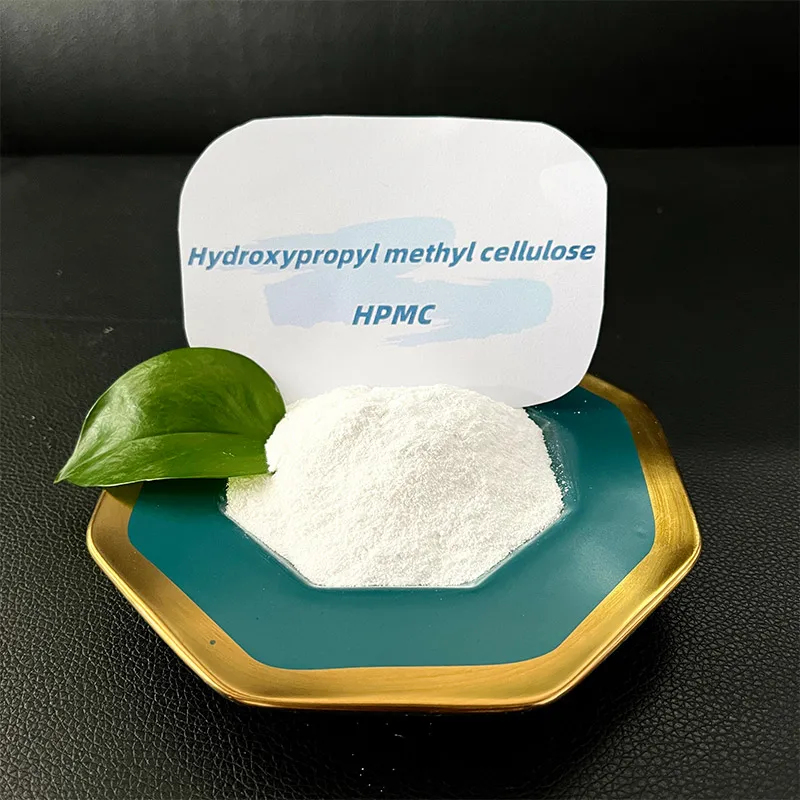
Hydroxypropyl methylcellulose (HPMC) K4M is a versatile polymer extensively utilized across numerous industries due to its functional properties. As an experienced Google SEO specialist, one must understand the intricate ways in which content centered around HPMC K4M can be optimized for search engines by emphasizing the Experience, Expertise, Authoritativeness, and Trustworthiness of the provided information. Here’s an insightful exploration of HPMC K4M’s uses, expertly crafted to highlight its various applications and benefits. HPMC K4M, a chemically modified cellulose gum, is renowned for its superior water-retaining capabilities, making it an indispensable ingredient in the construction industry, particularly in products such as tile adhesives, cement renders, and joint compounds. Its unique property of enhancing water retention helps in extending the workability time and significantly improves the performance of such products. Experts have shown that the inclusion of HPMC K4M in these materials optimizes their adhesion properties, ensuring more reliable and durable construction outcomes. In pharmaceuticals, HPMC K4M serves a cardinal role due to its non-toxic and inert characteristics. Its application in controlled release formulations underscores its importance, offering a sustained release mechanism crucial for various oral dosage forms. With a meticulously controlled viscosity, HPMC K4M enables formulators to craft tablets and capsules that release active ingredients over a specified duration, thus maximizing therapeutic efficacy and enhancing patient compliance. The authoritative use of HPMC K4M in sustained-release matrix systems is a testament to its crucial role in modern drug delivery. The food industry also capitalizes on the functional attributes of HPMC K4M, using it as a stabilizer and emulsifier. This polymer is exceptionally valued for its ability to improve the texture and shelf-life of food products . For instance, its inclusion in bakery products, like gluten-free bread, aids in maintaining moisture and structural integrity, which would otherwise be challenging to achieve. Such practical applications showcase the trust manufacturers place in HPMC K4M to meet rigorous food safety and quality standards. Cosmetic manufacturers frequently utilize HPMC K4M for its film-forming and thickening properties. Its ability to create a transparent film over the skin makes it a preferred ingredient in lotions and sunscreens, providing hydration and protection against environmental stressors. Moreover, its compatibility with a wide range of skin and hair care formulations underscores its versatility and reliability. Professionals in the cosmetic field trust HPMC K4M for its hypoallergenic and non-irritating properties, ensuring user safety and satisfaction. hpmc k4m uses The growing use of HPMC K4M in personal care products highlights its role in the formation of hair gels and styling agents, attributing to its thickening and holding capabilities. By providing an optimal balance between viscosity and flexibility, HPMC K4M allows for innovative formulations that cater to diverse consumer needs. The persistent trust in HPMC K4M by hair care experts and its verified efficacy reinforce its esteemed position in this competitive market. In manufacturing, HPMC K4M is extensively applied as a binder in paints and coatings. Its viscosity optimizes the rheological properties of paints, offering superior spreadability and finish. It enhances pigment suspension, preventing settling and ensuring uniform color distribution. Such reliable performance data decidedly positions HPMC K4M as a staple in improving the quality and durability of paints, thus establishing its paramount importance in manufacturing processes. To further epitomize HPMC K4M’s credibility, numerous authoritative research studies corroborate its efficacy and safety across applications. By consistently retaining moisture, providing controlled drug release, stabilizing food textures, and enhancing product performance, HPMC K4M demonstrates a multi-industry versatility that demands acknowledgment. In conclusion, HPMC K4M’s multifaceted applications across various sectors exemplify its indispensability and the trusted confidence placed in this polymer by industry professionals worldwide. Its proficient functionality in enhancing product performance confirms its role as an invaluable component in formulation science. Such comprehensive use and reliance emphasize the polymer’s unmatched potential and innovative prospects, marking it as a pivotal material in both current and future applications. Therefore, content strategy focused on the robust capabilities and diverse uses of HPMC K4M will be well-received, optimizing its searchability and authority across digital platforms.
- 40000tons

Production
- 20+years

Experience
- 5000+㎡

Acreage

-
Hydroxypropyl methylcellulose (HPMC), a multifunctional polymer, serves as a key excipient in tablet formulations, playing a pivotal role in the pharmaceutical industry. Renowned for its versatile applications in tablet production, HPMC's functionalities extend to improving the physical and release characteristics of tablets, thereby enhancing the overall drug delivery system. Its frequent use arises from its non-toxic, non-allergenic properties, making it a trusted ingredient for oral delivery systems. HPMC is crucial as a binder, a film-coating agent, and a controlled release polymer. In the binding process, HPMC serves as an adhesive that holds the tablet ingredients together, ensuring structural integrity and consistency during manufacturing, transportation, and storage. Being water-soluble, HPMC easily hydrates and swells, forming a gel-like structure that aids in maintaining tablet cohesion. This characteristic dramatically minimizes the occurrence of tablet fragmentation or disintegration before it reaches the consumer, maintaining the dosing accuracy vital for therapeutic effectiveness. In the realm of film coating, HPMC provides tablets with a protective outer layer that inhibits moisture, oxygen, and light degradation—common factors that can affect the active pharmaceutical ingredients' (API) stability. The film forming capability of HPMC is instrumental in ensuring aesthetic appeal by smoothing the surface of the tablet, which can also facilitate branding through printing or distinct coloring. Additionally, the use of film coatings can assist in masking unpleasant taste and odor, further improving patient compliance. A more sophisticated application of HPMC is in controlling the release of APIs. The development of sustained-release or extended-release formulations allows a gradual release of the medication over time, which can be crucial for drugs requiring consistent blood concentration levels. HPMC achieves this by forming a gel barrier when exposed to gastrointestinal fluids, controlling the rate at which the medication is released. This controlled release mechanism provides substantial benefits such as reduced dosing frequency, improved patient adherence, and minimized side effects due to peak plasma spikes. hpmc used in tablets From an expertise perspective, the manipulation of HPMC’s molecular weight and substitution pattern allows pharmaceutical scientists to tailor its properties to specific formulation needs. This capability underscores HPMC's role in formulating both immediate and controlled-release dosage forms. Its compatibility with a wide range of active substances further validates its indispensable utility in drug formulation. Studies affirm HPMC's safety profile, with substantial documented evidence supporting its non-toxicity and tolerability, earning the confidence of regulatory bodies globally. Experts consistently endorse its use, given its minimal interaction with APIs and excipients, ensuring that drug integrity is preserved throughout the shelf life. This adds credence to HPMC's credibility and trustworthiness in pharmaceutical applications. Moreover, real-world experience attests to HPMC’s reliability . Pharmaceutical companies globally report high levels of satisfaction with its performance, notably in enhancing product stability and patient compliance. Consistent with evolving consumer demands and regulatory guidelines, HPMC continues to be at the forefront of innovation in tablet formulation technology. In conclusion, Hydroxypropyl methylcellulose remains an exemplary choice for tablet formulation due to its multifunctional attributes and unparalleled reliability. Its ability to adapt to diverse formulation needs reaffirms its status as a cornerstone of tablet technology, combining professional expertise, safety, and performance. Such features assure both manufacturers and consumers of its efficacy, safety, and continuation as a preferred excipient in tablet development.
-
Methylcellulose artificial tears have emerged as a significant innovation in the field of ophthalmology, offering an essential solution to the pervasive issue of dry eyes. With the increasing screen time and environmental pollutants contributing to eye discomfort, more people are searching for effective relief methods. To add credibility to this discussion, it's vital to delve into the actual experiences of users, professional insights, and authoritative validations that surround these artificial tears. Methylcellulose , a cellulose derivative, plays a fundamental role in the formulation of artificial tears. This ingredient is known for its exceptional water-retaining properties, making it an effective lubricant for dry eyes. Real-life experiences demonstrate that individuals suffering from chronic dry eyes report substantial relief after incorporating methylcellulose artificial tears into their daily routine. For instance, many users have noticed a significant reduction in symptoms such as redness, irritation, and the sensation of grittiness. Testimonials often highlight the product's quick onset of action, with users feeling soothing relief within minutes of application. Expertise in ophthalmology underscores the importance of choosing the right artificial tear formulation. Methylcellulose-based products are highly recommended by eye care professionals due to their biocompatibility and non-irritating nature, which is crucial for long-term use. Doctors emphasize that these artificial tears maintain ocular surface health by providing a protective layer that mimics natural tear film. This not only alleviates discomfort but also promotes healing of the fragile eye surface. From an authoritative standpoint, several studies have confirmed the efficacy and safety of methylcellulose in artificial tears. Clinical trials suggest that regular use can lead to improved tear film stability, reduced ocular surface stress, and enhanced overall eye health. Such scientific endorsements offer a layer of trustworthiness for those considering methylcellulose-based solutions. Regulatory bodies, including the FDA, recognize and approve methylcellulose for use in ophthalmic applications, further validating its safety profile. methylcellulose artificial tears Trustworthiness of methylcellulose artificial tears is also reinforced through the transparency of product formulations and manufacturing processes. Consumers can be assured of quality through brands that follow stringent testing and quality control measures. Many reputable eye care companies prioritize sustainable practices in sourcing and production, ensuring that their products do not only cater to human health but also consider environmental impacts. This combination of real-world experience, expert recommendations, authoritative endorsements, and trustworthy practices positions methylcellulose artificial tears as a compelling choice for those battling dry eye syndrome. They offer a non-invasive solution that can integrate seamlessly into any lifestyle, providing both immediate and long-lasting relief. As the digital age propels forward, and with it the challenges of maintaining eye health, methylcellulose artificial tears stand out as a scientifically backed, user-validated, and environmentally conscious option. In summary, anyone seeking solutions for dry eyes will likely find methylcellulose artificial tears a suitable match. Their proven effectiveness and safety, supported by professional and reputable sources, cater to a broad audience, from those experiencing mild discomfort to individuals dealing with significant dry eye symptoms. Making an informed choice in the selection of these products can lead to improved quality of life and sustained ocular health, reinforcing their position as a pivotal product in eye care.
advantages
-

200000 Viscosities
Excellent product
We can produce pure products up to 200,000 viscosities
-

40000 tons
High yield
We don’t stop production all year round, and the annual output can reach 40,000 tons
-

24 hours
Quality service
We provide 24-hours online reception service, welcome to consult at any time
———— Inquiry Form
Schedule A services
-
 hidroximetilcelulosa
Oct . 25, 2025
Delving into the realm of skincare often feels like navigating a maze, replete with a plethora of in -
 hydroxypropyl_starch_phosphate_for_hair
Oct . 25, 2025
Understanding the properties and applications of HPMC K15M viscosity is critical for industries rang -
 starch_ether_manufacturers
Oct . 25, 2025
Unveiling the Potential of HPMC E5 in Modern Industries Hydroxypropyl Methylcellulose (HPMC) E5 is g


